Energy Storage Power Station
Ensure the safety, efficiency, and longevity of your energy storage systems with UNI-T's comprehensive testing solutions. From battery health monitoring to power quality analysis and thermal inspection, our professional-grade tools help you prevent thermal runaway, detect insulation failures, and optimize system performance.
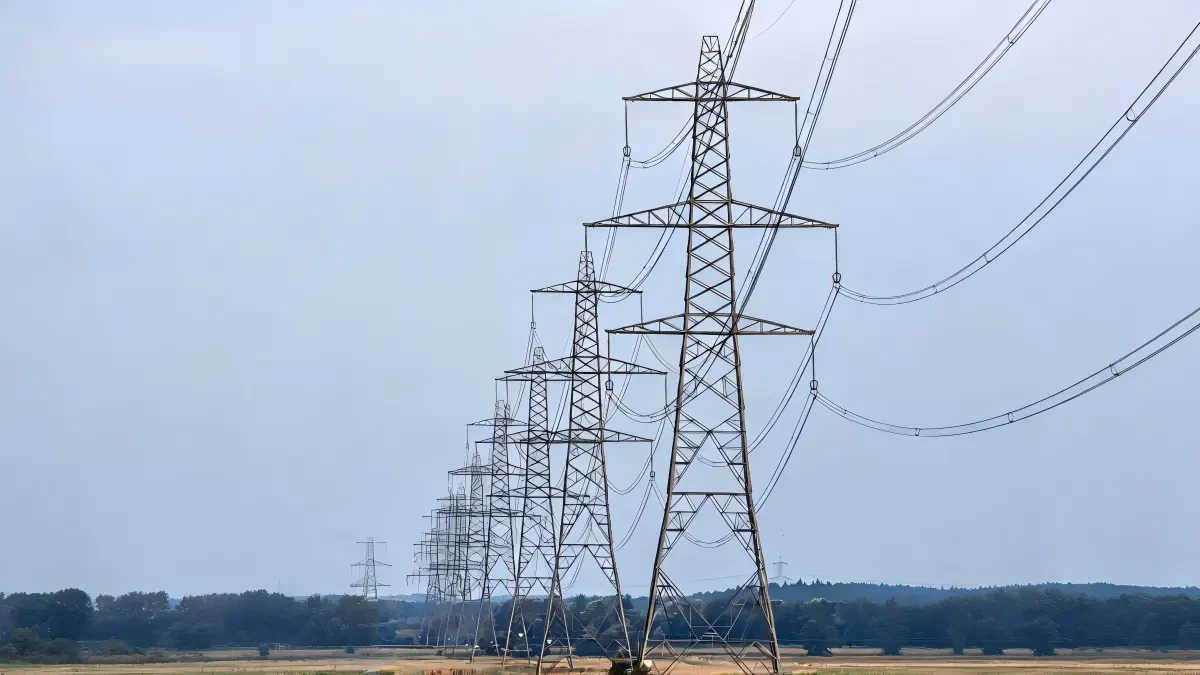
Key Applications
Solution Overview
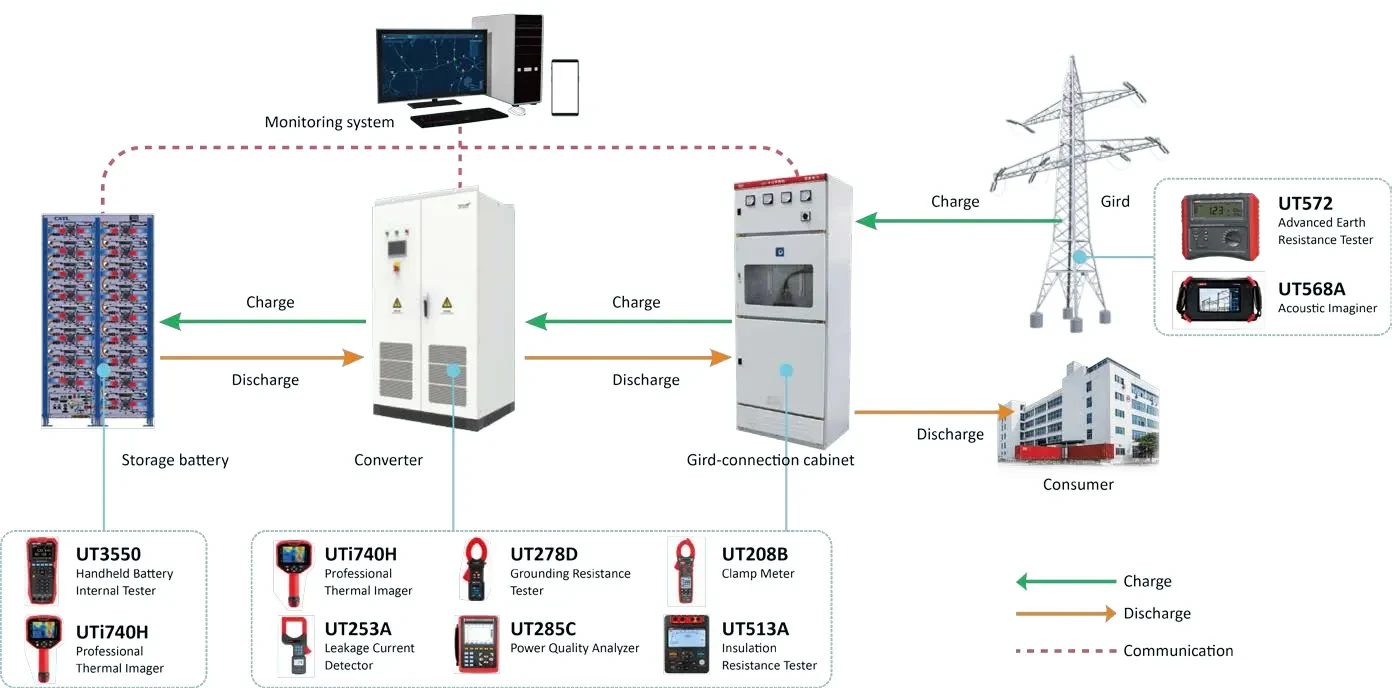
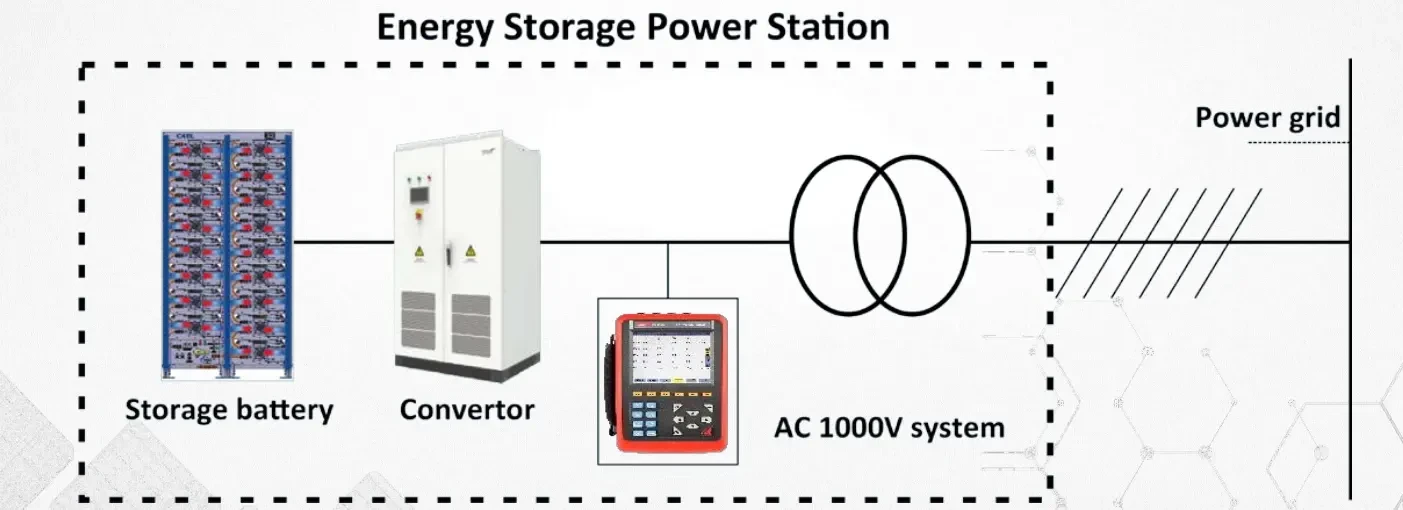
With the rapid development of new‑energy energy‑storage industry, a complete energy‑storage power‑station system consists of battery cabinets, power conversion system (PCS), grid‑connection cabinets, power transmission lines, public grid and end‑user loads. During long‑term operation, various hidden risks may occur, such as battery aging, overheated connectors, insulation degradation, excessive harmonic distortion, poor grounding and partial discharge. These defects may lead to capacity reduction, system shutdown or even fire hazards.
UNI‑T provides a professional instrument‑based testing solution for energy‑storage power stations. It covers the full workflow including project acceptance, routine inspection, periodic maintenance and troubleshooting. Targeting four core components: battery cabinets, power converters, grid‑connection cabinets and transmission lines, two instrument portfolios are available: high‑end package and economical package. They satisfy different test requirements for large‑and‑medium‑scale energy‑storage plants and third‑party O&M service providers, ensuring long‑term safe, stable and high‑efficiency operation of energy‑storage facilities.
System Architecture & Testing Logic
Working workflow of energy‑storage power station: Energy‑storage batteries complete charge‑discharge cycles → Power conversion system realizes bidirectional AC‑DC energy conversion → Grid‑connection cabinet performs grid‑tied protection for energy exchange with utility grid and supplies power to end‑user loads. The monitoring system realizes full‑station data communication and status supervision.
For typical failure points along the whole energy‑flow chain, dedicated test instruments are deployed for quantitative inspection:
‑ Evaluate battery health by measuring internal resistance, voltage and temperature;
‑ Detect insulation defects via leakage‑current and insulation‑resistance tests;
‑ Monitor power‑quality indicators including harmonics, power factor and three‑phase unbalance;
‑ Verify the reliability of grounding protection;
‑ Locate over‑temperature hot spots rapidly with thermal imagers;
‑ Identify high‑voltage partial discharge non‑intrusively with acoustic imagers.
Four Core Testing Modules
1. Battery Cabinet Testing
Test: Battery internal resistance, voltage and temperature screening.
Key instruments: UT3550 battery internal resistance tester, UTi740H thermal imager.
2. PCS / Converter Testing
Test: Leakage current, insulation resistance, connector temperature and power quality (harmonics, power factor, three-phase unbalance).
Key instruments: UT253A leakage clamp meter, UTi740H thermal imager, UT285C power quality analyzer, UT208B clamp meter.
3. Grid-Connection Cabinet Testing
Test: Insulation resistance, grounding resistance, connector temperature and leakage current.
Key instruments: UT513A/UT516B insulation tester, UT278D/UT572 earth resistance tester, UTi740H thermal imager, UT208B clamp meter.
4. Transmission Line Testing
Test: Tower grounding resistance, conductor overheating, insulator cracks and partial discharge.
Key instruments: UT572 earth resistance tester, UT568A acoustic imager.
Solution Value
Proactive risk warning: Shift maintenance mode from post‑fault repair to pre‑emptive inspection. Early anomalies such as rising internal resistance, minor temperature rise and incipient partial discharge can be captured before severe equipment damage occurs.
Quantifiable & standardized testing: All test items deliver measurable and recordable results. Supported by data logging and PC‑software report generation to meet archive requirements for station O&M management.
Adaptation to complex site conditions: Portable rugged instruments with high ingress‑protection ratings fit container‑type energy‑storage stations, outdoor yards and cabinet‑inside working environments.
Full‑chain coverage: Complete testing across key equipment from battery cabinets, PCS converters, grid‑connection cabinets up to high‑voltage transmission lines, safeguarding long‑term secure and reliable operation of energy‑‑storage power stations.
Discuss your energy storage power station project
Tell us your measurement requirements and our team will recommend the right instruments and tools for your application.